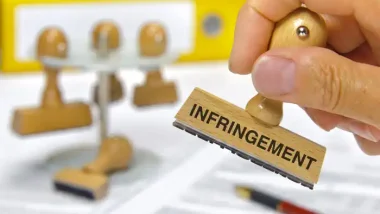
Navigating the complexities of patent law requires a skilled legal professional. Obtaining counsel from an experienced patent lawyer can ensure that your invention is properly protected and all requirements are fulfilled in order to receive your patent. Having knowledge of the process, resources, and strategies used by a qualified patent attorney will help you to maximize the full potential of your intellectual property.

Patent lawyers must possess extensive experience with United States Patent Law in order to secure effective protection for their clients’ inventions. They provide insight on how best to protect new ideas, products, services, or processes from being copied or otherwise exploited without permission. It’s important for inventors to work closely with their attorney throughout the entire application process so they know exactly what steps need to be taken for successful filing and approval.
The USPTO (United States Patent & Trademark Office) sets rigorous standards when it comes to securing patents; understanding these regulations is essential before beginning this journey. By enlisting the expertise of a reputable patent lawyer, inventors can rest assured knowing that their rights are safeguarded and any issues resolved effectively. In this article we’ll discuss how to navigate the world of patent law with a qualified attorney at your side.
What Is Patent Law?
Patent law is an area of legal protection for inventors and innovators. It grants exclusive rights to inventions, products, or processes that are novel, useful, and non-obvious. In the United States alone, over 300 thousand patents have been registered since 2012 – a staggering number when we consider the time each application process takes.
In order to receive patent protection, applicants must provide a detailed description of their invention in a formal application submitted to the US Patent and Trademark Office (USPTO). This patent process requires extensive research into existing technology and can be quite complex; thus it is often beneficial to consult with a patent lawyer who understands this intricate field of law before submitting your application. A lawyer will also be able to help you determine whether or not your product or invention has already been patented by someone else so that you may avoid any potential infringements on other patents down the road.
Benefits Of Hiring A Patent Lawyer
Hiring a patent lawyer or attorney is essential for those looking to protect their intellectual property. A patent lawyer will provide experienced legal advice and guidance when applying for patents, as well as represent clients in any litigation related matters. Here are the key benefits of hiring a patent lawyer:
- Access to specialized knowledge – Patent lawyers have expertise in all areas of patent law that can help you navigate the complicated process of obtaining a patent.
- Protects your interests – An experienced professional who understands the nuances of the law can ensure that your rights are adequately protected during the entire application process.
- Peace of mind – Knowing that you have an experienced team working on your behalf helps give you peace of mind knowing that everything is being done correctly and within compliance with local laws.
By enlisting the services of a knowledgeable patent lawyer, individuals and companies alike can be sure they are taking full advantage of the protections afforded by securing their intellectual property through proper filing processes and procedures.
With experience navigating the complexities of patent law, a skilled patent attorney can make sure every step is taken correctly so that there is minimal risk involved when seeking protection for inventions and ideas.
Understanding The Process
Having a patent lawyer can be essential when navigating the often complex landscape of patent law. In fact, according to the U.S Patent and Trademark Office, 80% of applicants who file their own patent application without legal counsel are unsuccessful in securing protection. Understanding the process is key, as it includes five distinct steps:
- Filing a patent application
- Examination by the USPTO
- Prosecution with the examiner at the USPTO
- Responding to office actions from the USPTO
- Enforcement of any granted patents
Filing a patent application involves providing detailed information about an invention or business idea which will be used for review.
After submission, an assigned examiner reviews all related documentation submitted during this step and reviews existing prior art in order to assess whether or not there are grounds for granting a patent.
During prosecution, exchange occurs between applicant’s representative (in this case a lawyer) and examiners regarding claims made within each individual application – if agreement cannot be reached then appeals may need to be filed with higher authorities such as the Board of Appeals at the USPTO or the federal court system.
If granted after examination and/or the appeal phase is complete, rights associated with your patent can now be enforced against competitors through litigation, if necessary.
By having experienced lawyers on hand throughout these stages, they can provide pertinent advice while helping navigate potential pitfalls along the way; ultimately making sure that inventors get maximum value out of their ideas via secure intellectual property protection afforded by patents.
Preparing For Your Initial Consultation
Once you have decided to enlist the help of a patent lawyer, it is important to prepare for your initial consultation. The following table should serve as a guide when preparing for this meeting:
| What You Need | Action Items |
|---|---|
| Gather documents related to invention | Collect all relevant documents such as drawings, notes and descriptions relating to the invention that will be discussed with the patent lawyer. |
| Research information regarding similar inventions or patents | Use online resources such as USPTO and Google Patents to research any existing prior art in order to better understand what was already established before your invention. This can give insight into how much protection may be available from an attorney-client relationship. |
| Compile list of questions for the Patent Lawyer | Write down questions about patent law topics, including filing requirements, potential pitfalls and estimated costs associated with obtaining a patent. Also consider asking if there are other steps necessary beyond securing a patent that could further protect your idea from infringement or misuse by others. Additionally, inquire about experience handling cases like yours within the firm and ask for references if needed. |
By taking these steps ahead of time, you can ensure that you are fully prepared for your initial consultation with a patent lawyer and maximize its effectiveness. It is also beneficial to bring along copies of any documentation gathered so far; this helps create a strong sense of trust between client and counsel while allowing both parties to discuss matters more efficiently during the session.
Finding The Right Patent Lawyer For You
Now that you have determined the scope of your patent law needs, it is time to begin your search for a qualified patent lawyer. When searching for a patent attorney, research their qualifications and expertise in patent law. Some helpful resources include online reviews from other clients or colleagues who may be able to provide further insight into the lawyer’s capabilities. Additionally, looking at an attorney’s past work can help you gauge whether they are up to the task of handling your specific case.
When assessing potential lawyers, consider factors such as cost-effectiveness, experience level with similar cases, success rate in litigation matters, ability to communicate effectively and knowledge of current laws and regulations related to patents. Ultimately, finding a reliable and experienced patent lawyer is essential when navigating through complex legal proceedings associated with securing intellectual property rights. It is important to invest sufficient effort upfront in order to make sure that you select a suitable professional for your particular needs.
Questions To Ask When Choosing A Patent Attorney
When selecting a patent attorney, it is essential to consider several factors. The initial consultation with the lawyer should include questions about their expertise in intellectual property law and experience dealing with patent applications. It’s also important to ascertain that the lawyer will be available for any necessary follow-up consultations during the process of filing for a patent. Here are four key points to consider when choosing a patent attorney:
- What type of experience do they have in patent law?
- Are there additional fees associated with obtaining a patent?
- How long does it typically take to obtain a patent?
- Will they provide ongoing support after the application is submitted?
These questions can help you determine if the prospective patent attorney has both the knowledge and resources needed to successfully navigate your unique situation within the realm of patent law. Additionally, this conversation may provide insight into whether or not the two of you would work well together going forward on your project. Ultimately, finding an experienced and reliable professional who understands your needs is paramount as you move through the complex world of patents and intellectual property rights.
Frequently Asked Questions
How Much Does It Cost To Hire A Patent Lawyer?
The fees for services rendered by a patent attorney vary greatly depending on the complexity and scope of the task at hand. Factors such as the amount of research required, the filing fees in different countries, and other costs associated with obtaining a patent can all affect how much it will cost to hire a patent lawyer.
It’s also important to consider what type of service you need from your patent attorney. Different attorneys offer various levels of expertise and pricing structures that may better suit your needs than others.
For example, some provide flat fee services while others charge hourly rates or allow clients to pay based on performance results or milestones achieved throughout their engagement.
It’s always best practice to do research into each individual’s background and experience before making any decisions regarding who to hire as your patent law expert. Additionally, seeking out referrals from colleagues or peers in relevant fields can be helpful when determining which option is right for you.
What Are The Chances Of Getting A Patent Approved?
The chances of getting a patent approved are an important consideration for any inventor or business. The legal process of obtaining a patent can be daunting, and it is essential to understand the applicable laws and regulations prior to engaging in the application process. Working with a qualified patent lawyer on your invention’s journey through the patent system may increase its likelihood of success:
- A Patent Lawyer has specialized knowledge of relevant laws and case law that affects the outcome of pending applications;
- They have experience in filing applications and responding to office actions from the United States Patent & Trademark Office (USPTO);
- They can help you identify potential issues which may impact approval;
- Their expertise helps ensure that all necessary paperwork is completed accurately and timely submitted so as not to miss deadlines associated with your application.
In addition, having a trusted advisor who understands both sides—the intellectual property rights inherent in patents, as well as how to navigate them successfully—can be invaluable when seeking approval. With their guidance, inventors can feel more confident they will receive favorable results while avoiding costly missteps along the way.
What Is The Timeline For A Patent To Be Approved?
The answer varies depending on several factors. Generally speaking, there are four stages in the process before a patent can be granted – filing an application, obtaining a search report and examination report from the Patent Office, responding to any objections raised by either office, and finally registering the patent.
The time required for each stage depends mainly on how complex your invention is, as well as whether there have been similar inventions previously filed or not. Generally speaking, however, the entire patent approval timeline could take between 6–12 months if no complications occur. During this period, you will likely hear about progress via status updates from your patent lawyer.
It’s therefore important to ensure that you work with a professional who understands both the technical aspects of intellectual property law and also knows how best to manage these timelines within the framework set out by national laws and conventions. By understanding all of these elements along with their associated timelines, you can then make sure that your patent application progresses smoothly through its various stages until registration has been achieved.
What Recourse Is Available If A Patent Is Infringed Upon?
When it comes to patent infringement, the stakes are incredibly high. For companies and individuals alike, a violation of their patent can mean long-term financial ruin or even complete dissolution. Fortunately, there are legal remedies available for those who have had their patents infringed upon.
A primary recourse is that of patent litigation, which allows the holder of the validly issued patent to seek an injunction from a court against the infringer. This remedy serves as a way to stop any further violation of the patent rights while also compensating them for damages caused by such acts. In some cases, this may result in monetary awards for lost profits due to the infringement as well as additional punitive damages imposed on the violator. Other potential remedies include injunctive relief against future violations, seizure of infringing goods and/or materials used in violation of the patent’s right, or awarding attorney fees and costs associated with bringing suit against the infringer.
No matter what form they take though, these remedies exist to protect inventors’ intellectual property rights and ensure they receive fair compensation when someone else attempts to exploit their work without authorization or permission. As such, it’s important for all parties involved—the accused infringer and the aggrieved inventor—to clearly understand what options are available should a dispute arise concerning alleged violations of a duly issued patent.
How Is A Patent Enforced In Different Countries?
Patent enforcement is an important factor to consider when protecting intellectual property in different countries. It requires a thorough understanding of patent regulations and the complexities of international patent law. Different countries have their own policies for enforcing patents, making it essential to understand how each nation approaches this issue.
When seeking patent protection internationally, it is important to be aware that certain countries may have varying levels of effectiveness with respect to enforcing patent rights. For example, some nations can only enforce a patent after its validity has been established through a court process or other administrative proceedings. In addition, there are differences between civil law countries and common law countries regarding the types of remedies available for infringement cases. As such, before filing a patent application in another country, one should familiarize themselves with the applicable laws and procedures related to enforcing patents within that particular jurisdiction.
It is also worth noting that even if a company successfully obtains a foreign patent right, they still need to take proactive steps to protect their invention from being copied or otherwise infringed upon in those jurisdictions. This could include obtaining registration certificates and trademark protection as well as engaging local counsel who are knowledgeable about the relevant national laws governing patent enforcement and IP protection strategies. By doing so, companies will ensure that their intellectual property is properly protected on an international basis and maximize their chances of receiving full compensation for any unauthorized use or misuse of their patented inventions.
Conclusion
In conclusion, the cost of hiring a patent lawyer varies depending on your specific needs and the complexity of your case. However, it is important to understand that even with experienced legal help, there is no guarantee that a patent will be approved. The process from application to approval can take anywhere from six months to several years – so patience is key!
If you are concerned about infringement or need assistance enforcing your patent in other countries, a knowledgeable patent attorney can provide guidance on best practices and various courses of action. It’s estimated that roughly 75% of all patents issued receive some form of litigation within three years after being granted; this statistic highlights just how crucial proper enforcement measures are for protecting intellectual property rights.
Overall, navigating the world of patent law requires an understanding of both the technical aspects as well as the legal implications involved. With the right expertise and strategic representation, one can increase their chances of success while also ensuring that their inventions remain protected under existing laws.